
A small dining nook often has a bigger job than its name suggests. It hosts breakfast, homework, a laptop and household paperwork before returning to dinner. The useful question is not how to squeeze in the most chairs. It is how to make sitting down and getting up comfortable while preserving a surface you can actually use. These recommendations describe planning tradeoffs rather than products we have personally tested.
Count regular diners first
Plan for the people who eat at the table on an ordinary day, then consider occasional visitors. An extending table can help, but requires room in its expanded position and a storage place for additional chairs. Check how the extension operates and whether one person can manage it according to the maker's instructions. A mechanism is less useful if the full table blocks the kitchen whenever it opens.
Measure the floor and mark doors, cupboards and appliance openings. Include chairs occupied by people, not merely tucked beneath the tabletop. Test the arrangement with existing chairs and walk past carrying plates. Can someone leave an inner seat without everyone standing? No single layout suits every body or household. Your actual movements provide more useful evidence than the number of chairs shown in a retailer's styled scene.
Choose shape around access
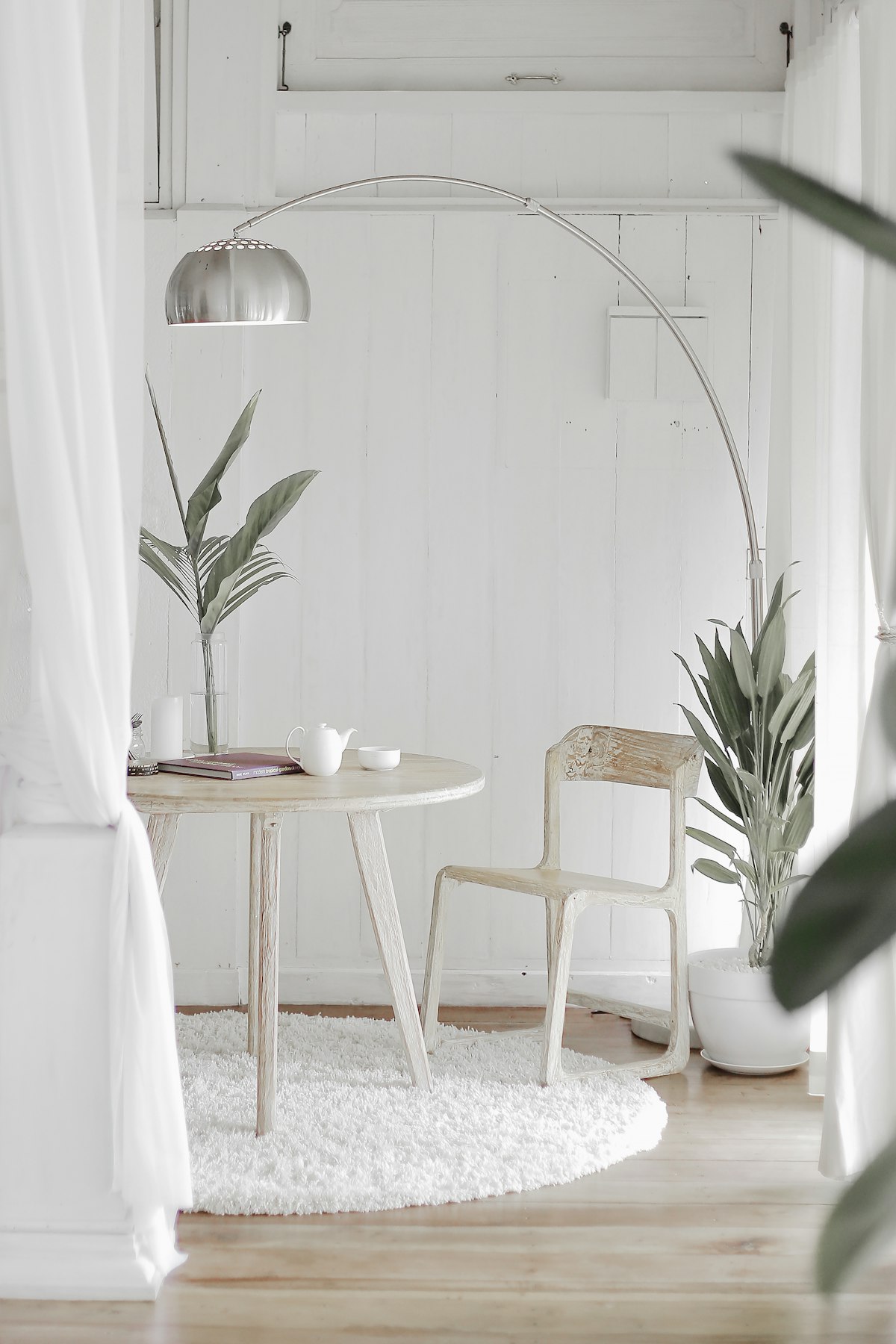
A round top removes sharp corners from its outline and can suit conversation, but its widest part still needs clearance. A square table can tuck into a compact area, although a wall-facing seat may feel confined. A narrow rectangle suits some long rooms and offers a different working surface. Compare leg placement as well as shape: a pedestal and four corner legs allow chairs to move in different ways.
Drop-leaf and wall-mounted tables offer flexibility where floor space is scarce. Check support mechanisms, installation requirements and weight guidance. Ask how often you would actually fold the table away. If chargers and papers live on it all day, the foldable feature may not deliver the space saving you expect. Give those items another home before paying for a mechanism that remains unused.
| Daily use | Approach to consider | Purchase question |
|---|---|---|
| Two people in a compact room | Small round or square top | Can both seats move freely? |
| Meals plus paperwork | Rectangular working surface | Where will supplies be stored? |
| Frequent guests | Extending table | Does the room fit it open? |
| Limited permanent floor area | Suitable drop-leaf design | Will it really be folded daily? |
Choose seating separately
A bench against a wall makes a continuous line, but leaving a middle position is less convenient than moving a chair. A backless seat also feels different during a long meal. Try the seating if practical. Compare seat height, table height and the depth beneath the top. Dimensions from separate listings need to work together; matching style does not establish a comfortable relationship.
Upholstered chairs bring softness but require a cleaning routine that suits the household. Hard seats may be easier to wipe yet less appealing for long sessions. Removable cushions offer flexibility if they fit and stay in position. A matching set is not compulsory. Buying chairs separately can solve a particular fit problem, provided you compare dimensions and finishes carefully rather than assuming every dining chair suits every table.
Make clearing the table simple
Keep daily tableware close enough that setting a meal is a short task. A shallow sideboard can help unless it sacrifices chair movement. One box for work or school supplies restores the surface more easily than relocating many loose objects. Decide where that box rests during dinner. Leaving it on the floor by the door simply transfers the obstruction to another part of the routine.
Lighting should serve the meal without putting a bright exposed bulb in someone's view. Check the perspective from each seat before choosing a pendant position. Electrical changes should use suitable fittings and a qualified electrician. A nearby lamp can soften the surrounding area, connecting the table to the room instead of making it a bright island. Our lighting guide explains how to assign fixtures different jobs.
What to skip
Skip centerpieces that must move before every meal. Skip spare chairs without a storage home. Skip delicate finishes whose care requirements conflict with everyday use. A beautiful surface is a better purchase when you can maintain it without turning dinner into a precaution. Compare care information and return conditions before ordering, including whether assembly affects your ability to send a purchase back.
Frequently asked questions
Is a rug essential? No. If you want one, consider chair movement and cleaning as carefully as color. Test the outline with chairs pulled back.
Can the nook double as a desk? Yes, when supplies have a clear home and the seating suits the time spent there. A temporary work session does not require permanent office storage on the table.
What comes first? Establish the occupied footprint, then compare table and chair dimensions together. Browse Home Design for more practical room plans.