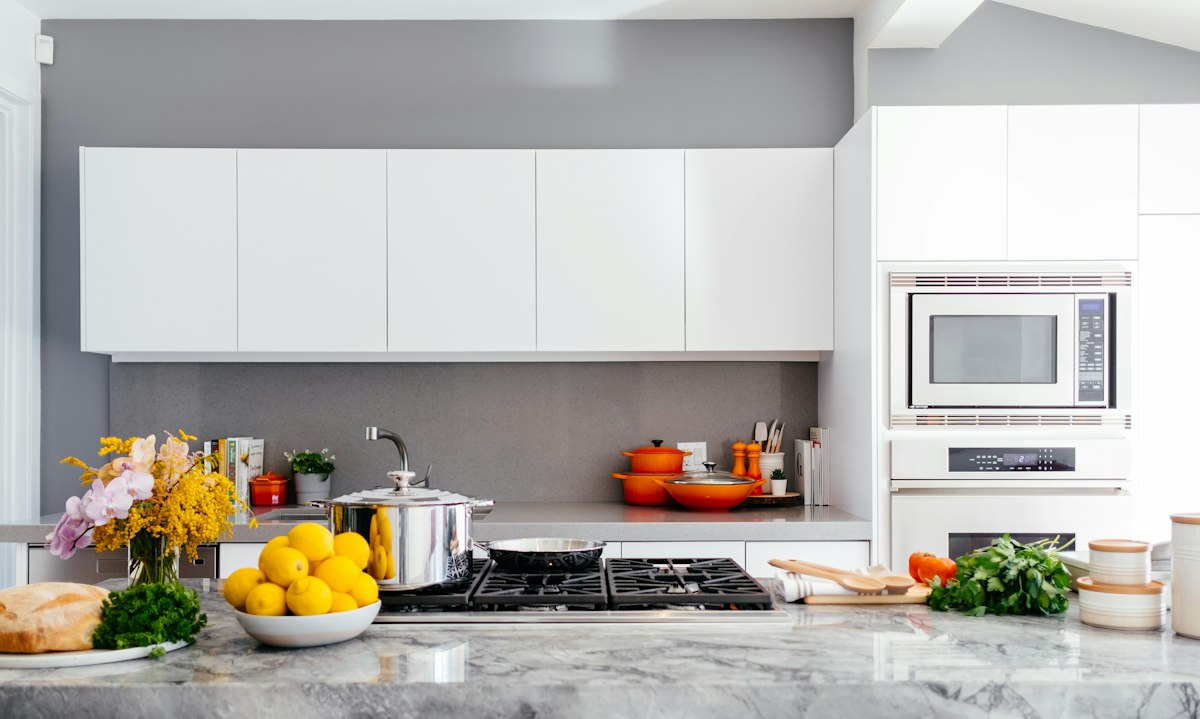
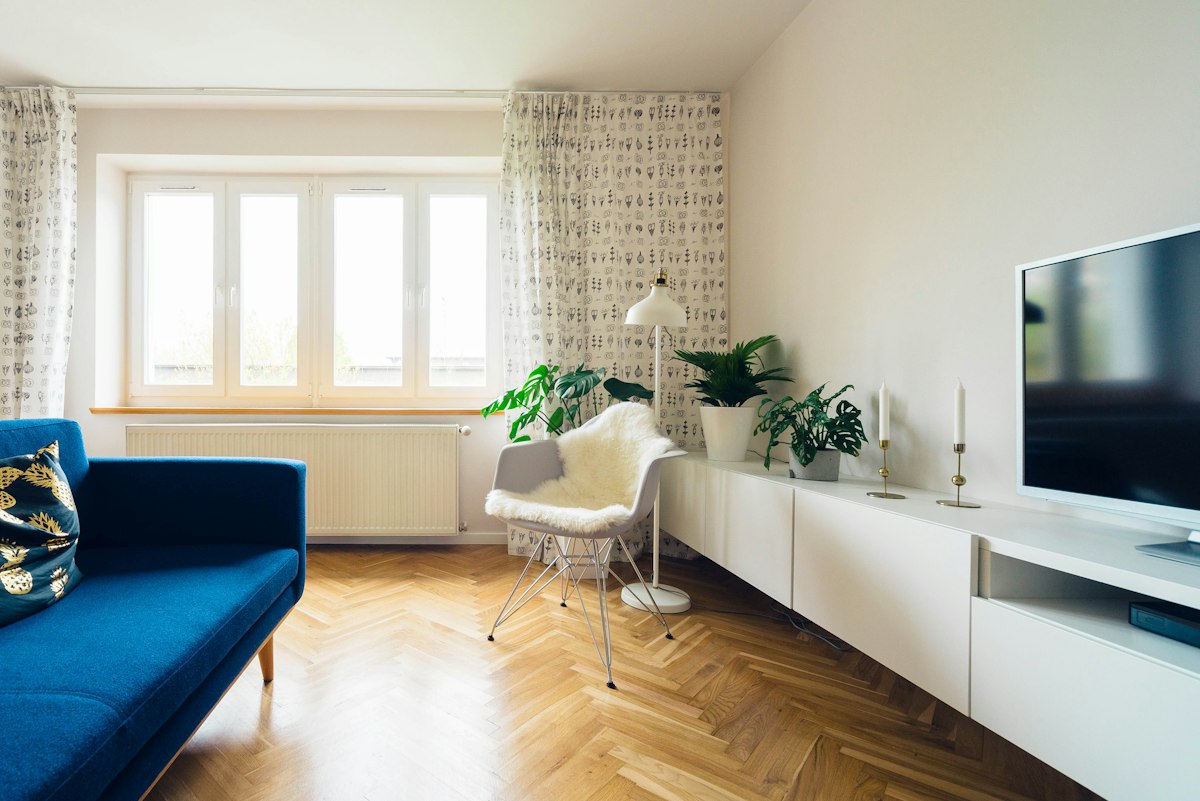
A living room rarely has one job. It catches a delivery box, hosts a video call, holds the laundry waiting to be folded and becomes the place everyone settles after dinner. In a compact home, the answer is not always smaller furniture. It is deciding which activities deserve a permanent place and which can borrow space for an hour. This guide offers planning suggestions rather than a report of products we have tested.
Start with an ordinary evening
Write down what happens between arriving home and going to bed. If two people watch television while another reads, you need one seating area with a separate light, not necessarily two zones. If a laptop is regularly open during dinner, a small work surface may earn its footprint. Give repeated activities priority over the occasional party you imagine hosting. A layout should support the week you actually live.
Draw the room roughly to scale and include doors, radiators, outlets and the direction each door swings. Mark the path people naturally take. Keep that route clear before deciding where a rug belongs. Move a temporary chair or cardboard box into proposed furniture positions and walk past carrying a laundry basket. That exercise reveals awkward corners more clearly than an inviting product photograph.
Suggest boundaries with furniture
A sofa back can mark the conversation area, provided it does not block circulation. A slim table behind it can hold a lamp, but should solve an actual need; adding another surface simply because a photograph includes one creates another place for clutter. In a narrow room, keep the sofa against the wall and define a reading place with a chair and light instead.
A rug helps when it connects seating into one visual group. Compare its dimensions with the real furniture positions rather than judging the retailer's room scene. Suitable painter's tape can help visualize the outline, after checking it will not damage the floor. If every chair ends up stranded outside the rug, a different size or no rug may look calmer than a small floating rectangle.
| Everyday situation | Arrangement to consider | Compromise |
|---|---|---|
| Frequent laptop work | Small desk beside the seating area | Work remains visible |
| Occasional guests | Nesting tables and movable stool | Spare seating needs storage |
| Shared reading and television | One sofa group plus a lit chair | Chair must preserve circulation |
| Children's evening play | Open floor with closed toy storage | Room needs a regular reset |
Buy for the awkward moment
When comparing coffee tables, think about standing up with a cup, opening drawers and reaching the sofa. A round shape may soften a tight corner, while a rectangular table offers a different usable surface. Neither is automatically correct. A storage ottoman can replace both a table and blanket basket, but only if the lid is accessible and drinks have a stable resting place.
Check assembled dimensions, delivery access and return conditions before ordering a sofa. Measure the route from the building entrance, including stairs and turns. Modular furniture can help with access but introduces joins and individual pieces. Removable covers may suit a busy household, although the care instructions matter more than a general claim that fabric is practical. Examine swatches in the actual room before committing.
What to skip
Skip open shelving purchased solely as a boundary if it interrupts daylight or becomes a view of paperwork. Skip a matching furniture set when its combined footprint squeezes circulation. Skip accent chairs without a clear use. Adding another seat later is easier than recovering floor space from a purchase that is too large. Keep the list short until the main arrangement has proved useful.
Try it before finishing it
Live with moved furniture for several evenings. Notice where cups land, which seat nobody chooses and whether the laptop keeps returning to the sofa. These are clues. Add the smallest missing support: a side table, charging access within reach, or a basket that closes. Decorative objects come after the room works. Keep one surface partly empty so it can absorb ordinary life without immediately looking overwhelmed.
Frequently asked questions
Does every activity need a separate zone? No. A dining table can handle occasional paperwork if supplies clear into one container. Boundaries help most when activities happen simultaneously.
Must furniture match? Repeated timber tones or a limited palette provide continuity without identical pieces. Compare finishes together because screen images cannot reliably establish color.
What should I purchase first? Resolve seating and circulation, then lighting and useful surfaces. Explore Home Design and a reading corner for the next decision.