Our Editorial Policy
Useful advice should explain its limits.
Start with the reader's situation
We organise buying advice around ordinary needs: a rented room, limited storage, a shared work area or a smaller household budget. A good recommendation explains what matters, what to measure and what you can skip. An expensive or heavily featured product is not automatically the right choice.
Research, not invented testing
Our current guides are research-based editorial articles. We consult primary manufacturer information and relevant authoritative guidance when making factual claims. We do not claim to have owned, installed, measured or clinically tested a product unless an article supplies a documented basis. We do not publish numerical ratings without a stated method.
Photographs
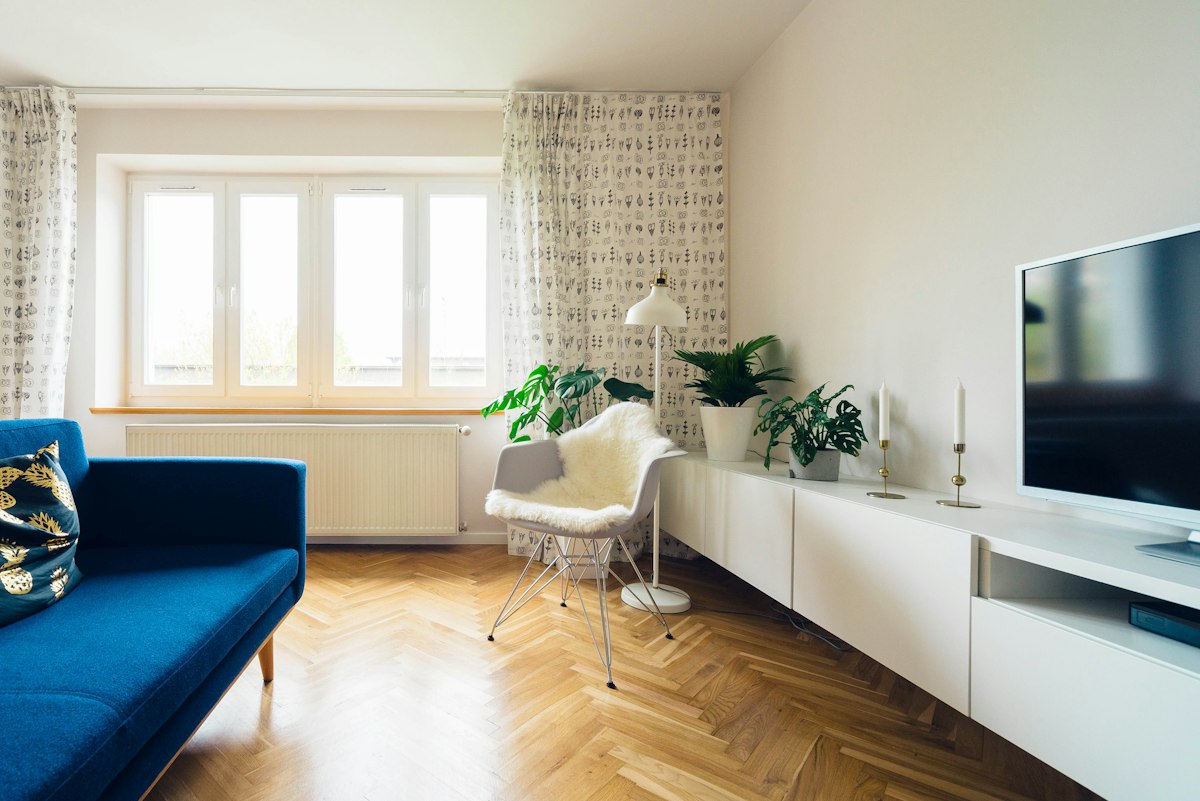
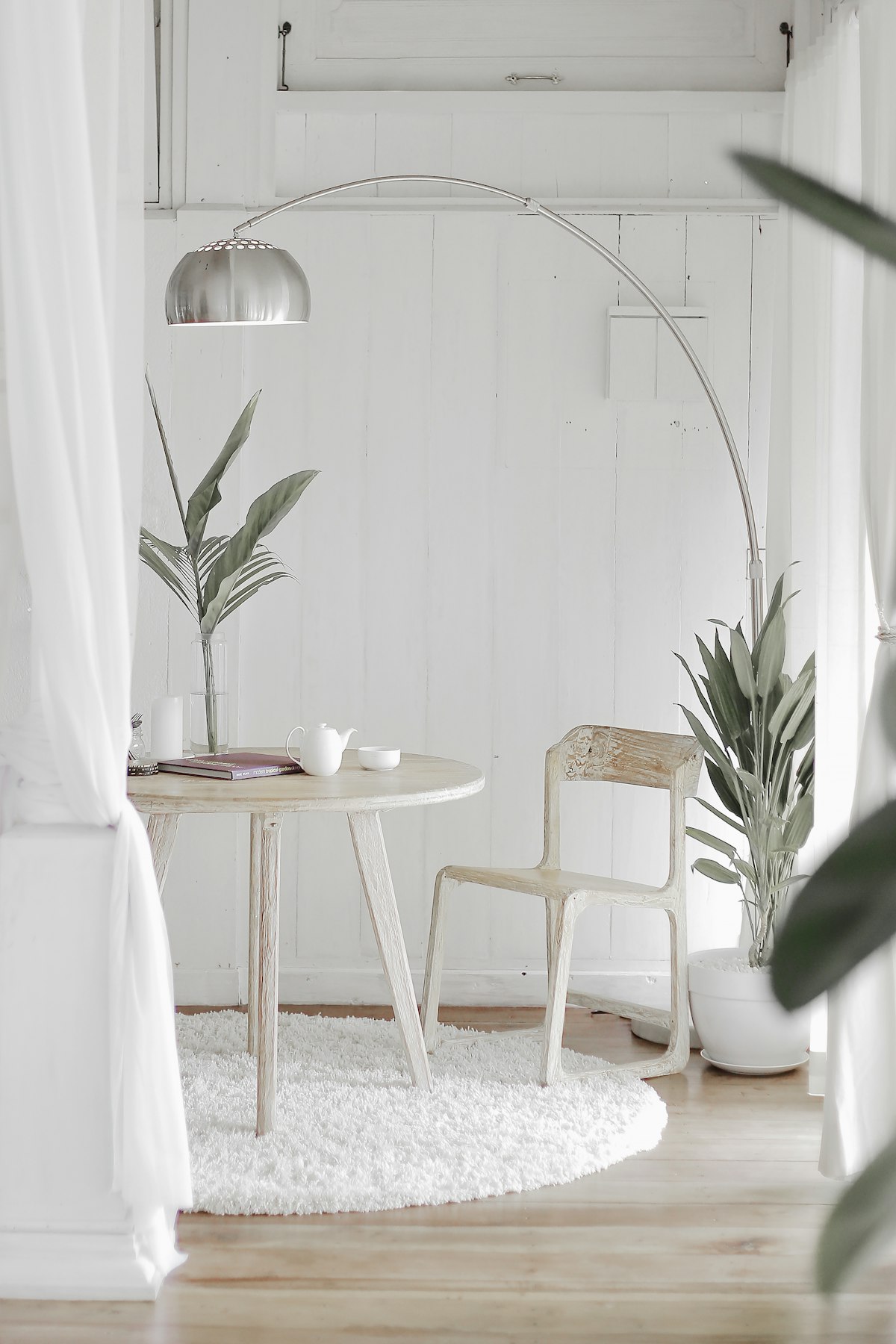
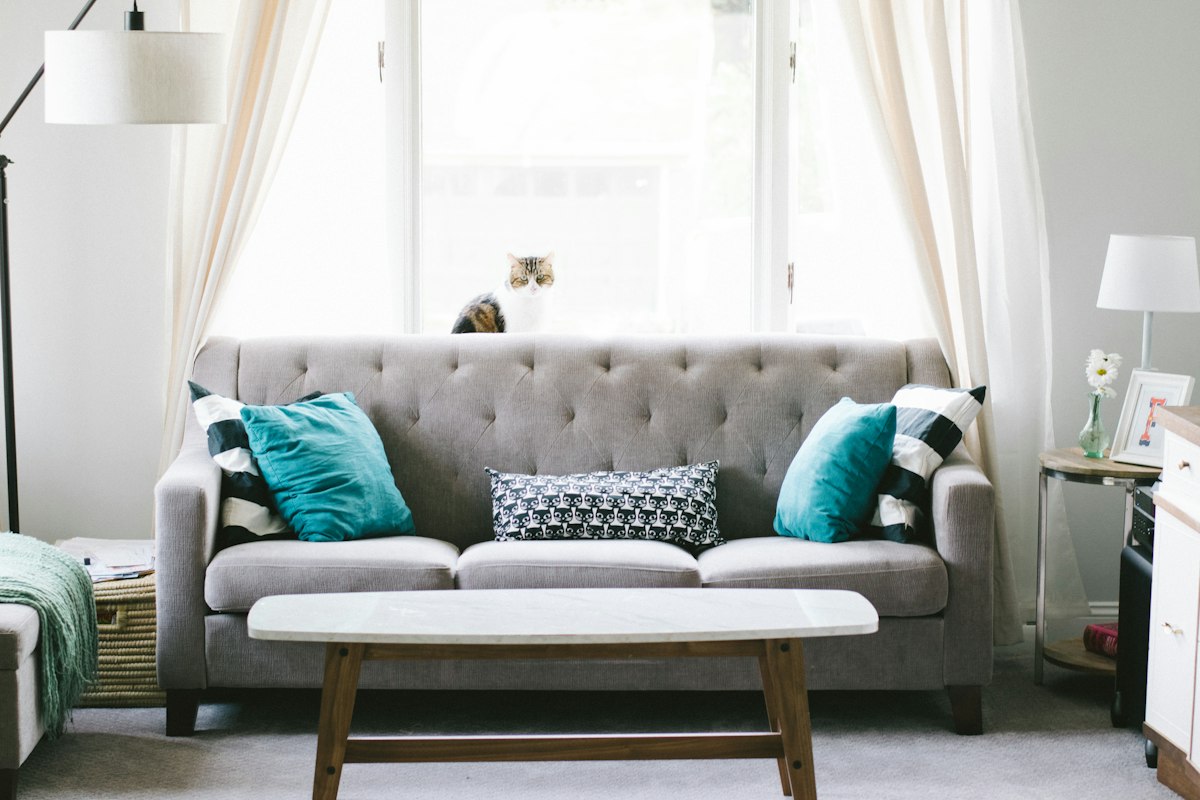
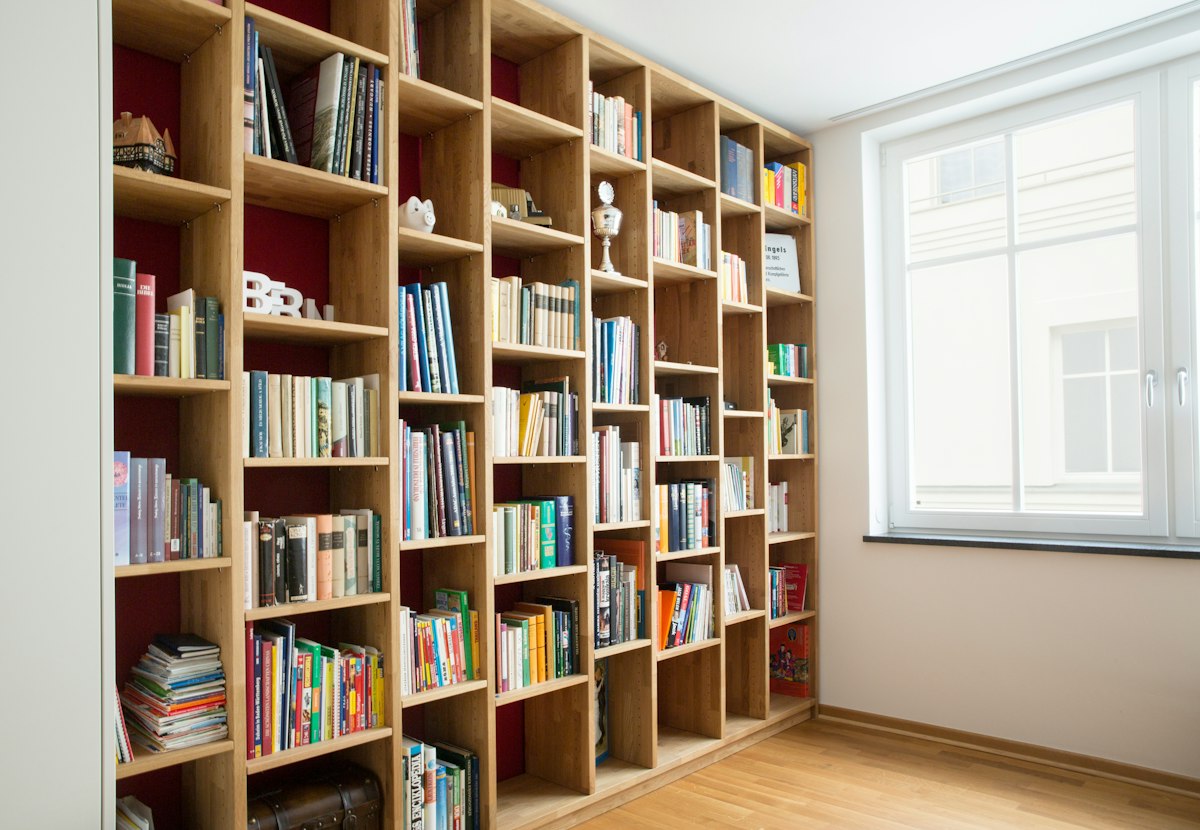
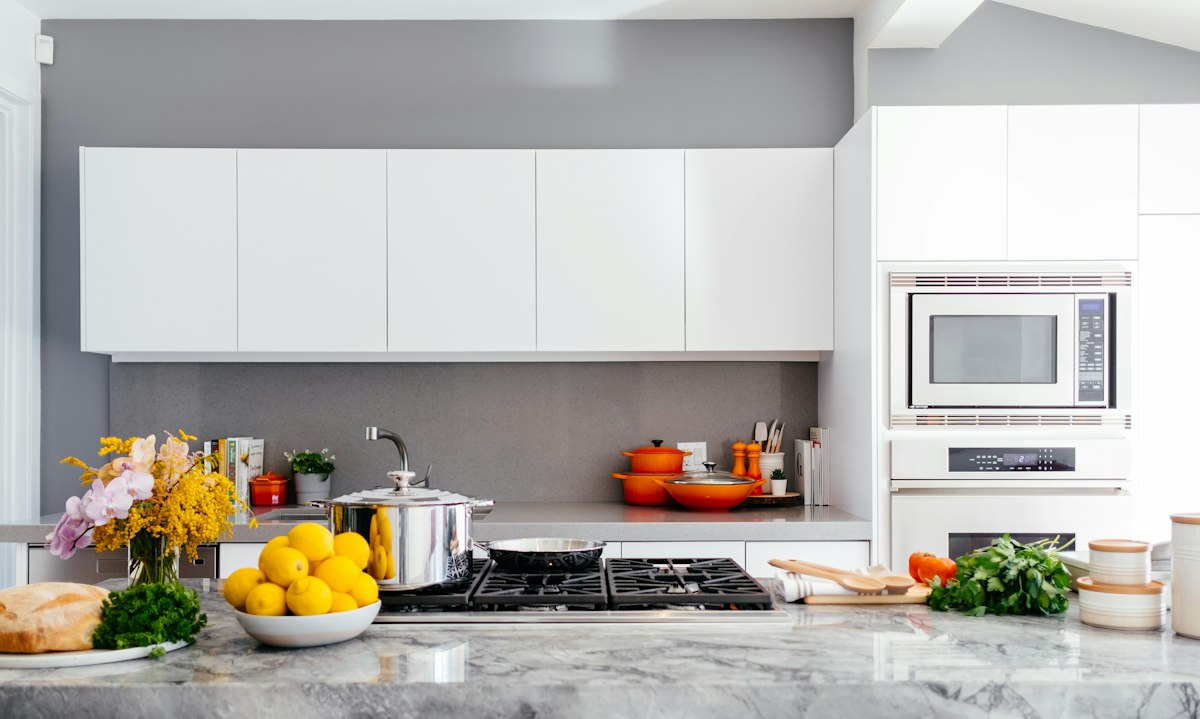
Lifestyle photographs illustrate real settings and design ideas. They are not evidence of an author's home, a reviewed product or a completed test. Article captions link to image sources. Advertising images are supplied creative and are identified as advertising.
Wellbeing content
We discuss everyday spaces and routines rather than diagnosis or treatment. Individual needs vary. Household products are not presented as cures, and comfort suggestions do not replace professional advice when it is needed.
Commerce and independence
Affiliate links and advertisements are disclosed. We aim to explain material limitations and who should skip a purchase alongside its possible usefulness. Current commercial relationships are described in the Affiliate Disclosure.
Updates and corrections
Articles show their publication and editorial update dates. Sources carry a checked date where relevant. We may correct a factual issue or revisit a guide as information changes. Report a specific issue, with a source if possible, to hello@strangeness-charm.com.