
An evening bedroom reset works best when it solves the little obstacles waiting at the end of an ordinary day. Picture coming upstairs with a water glass, a charging phone and the cardigan you took off after dinner. Yesterday's laundry is still on the chair. Your book has disappeared beneath a receipt. You do not need a completely redesigned bedroom to make this moment easier; you need a few reliable places for things to land.
This is a guide to room organisation and atmosphere, rather than a treatment for sleep difficulties. The suggestions are editorial choices, not results from product testing. Where shopping links appear, read our affiliate disclosure before buying.
Start with the route you actually take
Walk from the doorway to the bed carrying the things you normally bring upstairs. Notice where you stop. If the laundry basket requires opening a wardrobe and lifting a lid, the chair may keep winning. If the phone socket sits behind the bed, a decorative charging tray will not solve the problem by itself.
Move the existing basket somewhere reachable before purchasing another one. Put tomorrow's clothes on a single hook or hanger rather than a second chair. The aim is to give repeated actions a clear finish. A beautiful room that needs elaborate tidying every night is an awkward match for a busy household.
Give the bedside surface a small job
A bedside table should accommodate what you use there: perhaps a lamp, water, reading glasses and one book. Measure the usable surface after the lamp base is in place. A tray that fits an empty table may crowd it once the ordinary objects return.
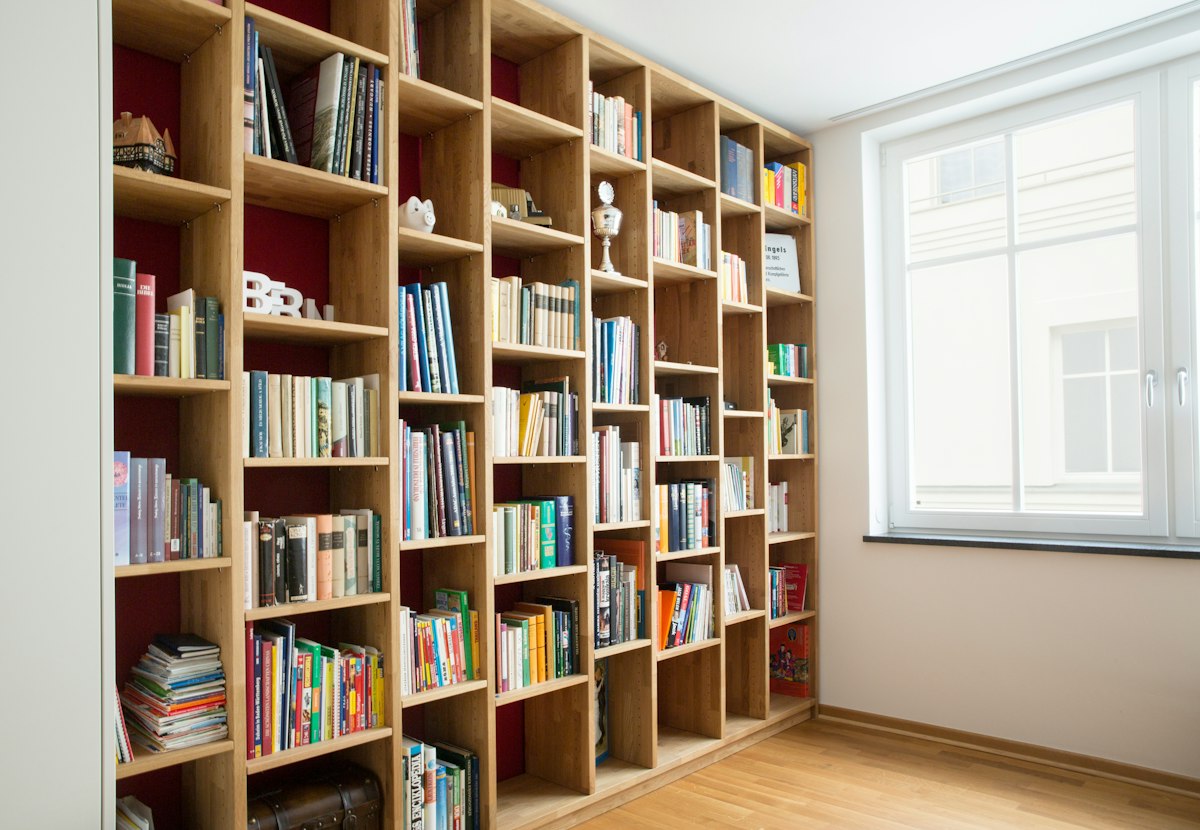
For a very narrow space, a drawer can be more useful than a larger tabletop. It hides small items without making them difficult to find. Check that it opens with the bed in position, and that a bedside rug will not catch its lower edge. Open shelves are easy to reach, but make cables and spare packaging more visible.
Avoid buying a matching pair automatically. Two people may need different storage. Matching lamp shades or similar wood tones can create continuity while allowing one side to have a drawer and the other a simple shelf.
Build a reset with an obvious stopping point
Try this sequence: take dishes back to the kitchen, place worn clothes in their correct destination, return loose items to the bedside drawer, and prepare what you will need in the morning. Stop there. Reorganising a wardrobe is a different task and deserves a different time.
Keep a small return basket near the door only if you empty it regularly. Otherwise it becomes a portable version of the original pile. The same applies to a catchall dish: it should contain a defined group such as jewellery, rather than every small object in the room.
A useful reset is easy enough to repeat on the night when you have the least enthusiasm. If yours needs fresh flowers, folded throws and several scented products to feel complete, simplify it until it works with ordinary bedding and a single switched-on lamp.
What is worth buying?
| Repeated annoyance | Useful purchase to consider | Check before ordering | Tradeoff |
|---|---|---|---|
| Clothes on the chair | Open laundry basket | Opening size and carry handles | Contents remain visible |
| Small bedside objects | Shallow drawer organiser | Internal drawer dimensions | Too many compartments waste space |
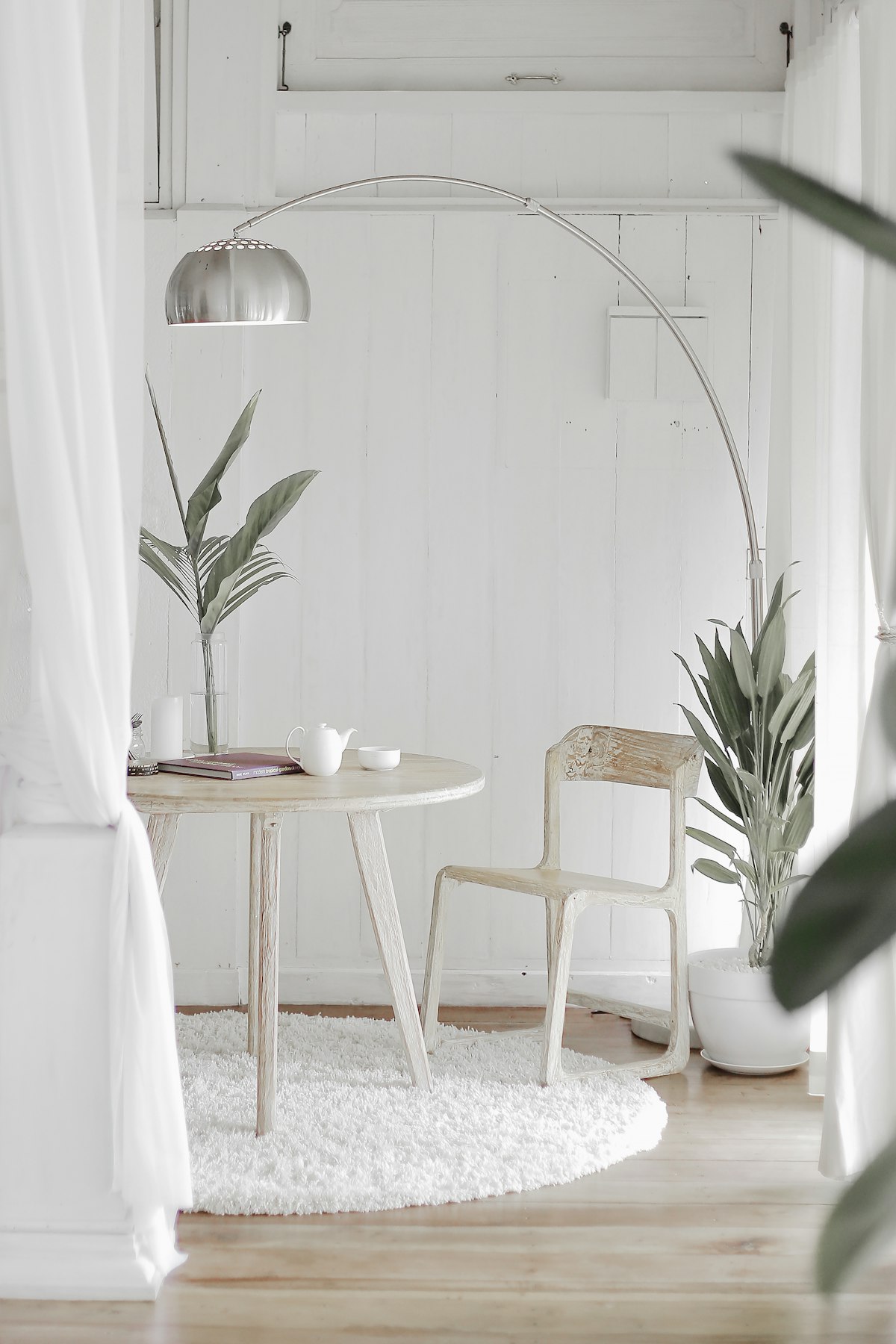
| Awkward reading light | Adjustable bedside lamp | Reach, switch location and stability | A large arm needs clearance |
| Nowhere for tomorrow's outfit | Single sturdy wall hook | Wall type and installation instructions | Requires an appropriate fixing |
Buy the item that addresses the most frequent irritation first. An inexpensive basket in the right place can be more valuable than a complete set of coordinated accessories. Compare current prices, delivery costs and return conditions, especially when ordering furniture that may not fit beside the bed.
Make light practical before making it atmospheric
Locate the switch from the position where you actually read or get out of bed. An attractive lamp with an inaccessible switch can become a daily nuisance. Consider whether a shade directs light toward the page or straight into someone else's face.
In a rented room, a freestanding lamp usually avoids installation work. A wall-mounted fitting clears the table but introduces placement and fixing decisions. Follow the product instructions and use a qualified professional where the electrical work requires one. Cable routing should leave the walking route clear.
Keep the morning in mind
Place tomorrow's bag near the exit rather than across the bedroom floor. Keep everyday shoes in one accessible spot. If two people leave at different times, locate shared items so that finding them does not mean searching through the other person's bedside area.
After a week, notice what still ends up on the chair. That pile is useful information. It may mean you need a place for clothes that have been worn but are not ready for the laundry, rather than a bigger laundry hamper.
Questions that come up
Do I need new bedding to make the room feel finished?
No. Begin with the bedding you have, a clear walking route and usable storage. Replace textiles when their condition, fit or care requirements justify it.
Should everything be hidden?
Only if hidden storage remains convenient. A visible book or cardigan is ordinary life; the useful distinction is whether you can find and return it easily.
What if I share a very small bedroom?
Agree on one shared surface rule and one personal storage area each. A modest system that both people use usually works better than a detailed arrangement imposed by one person.