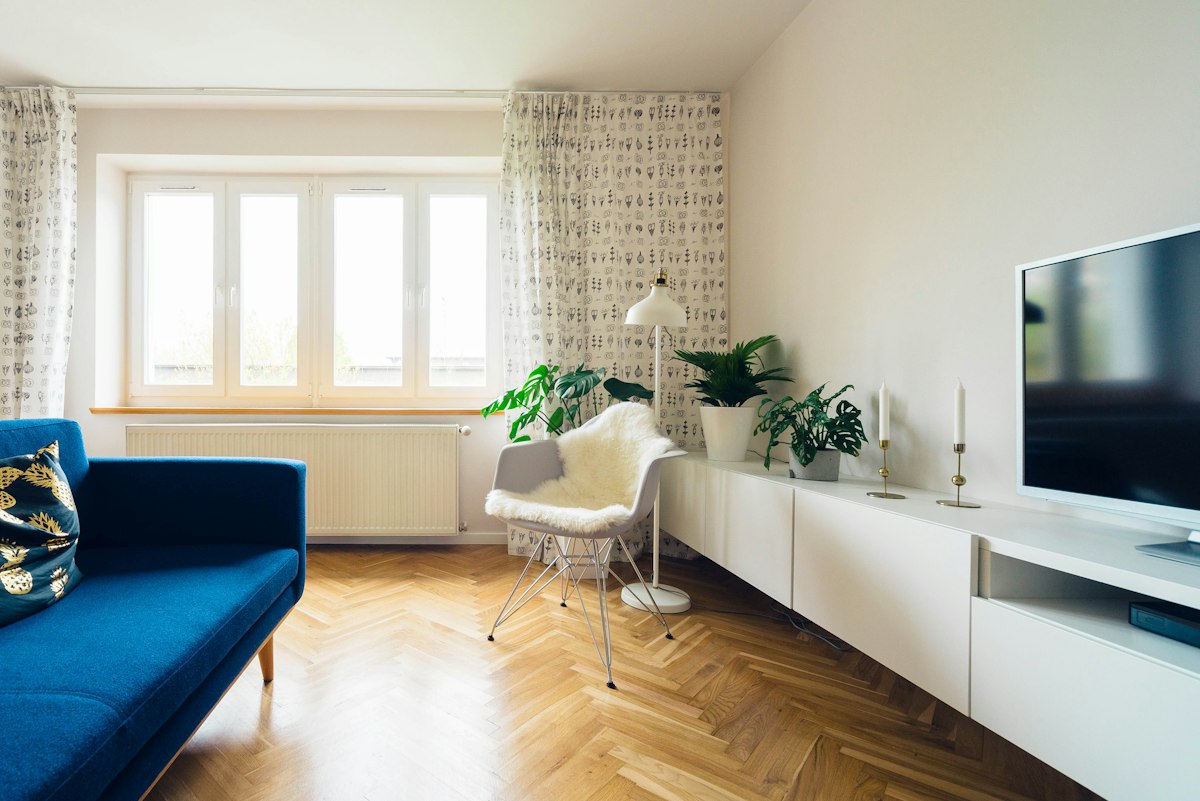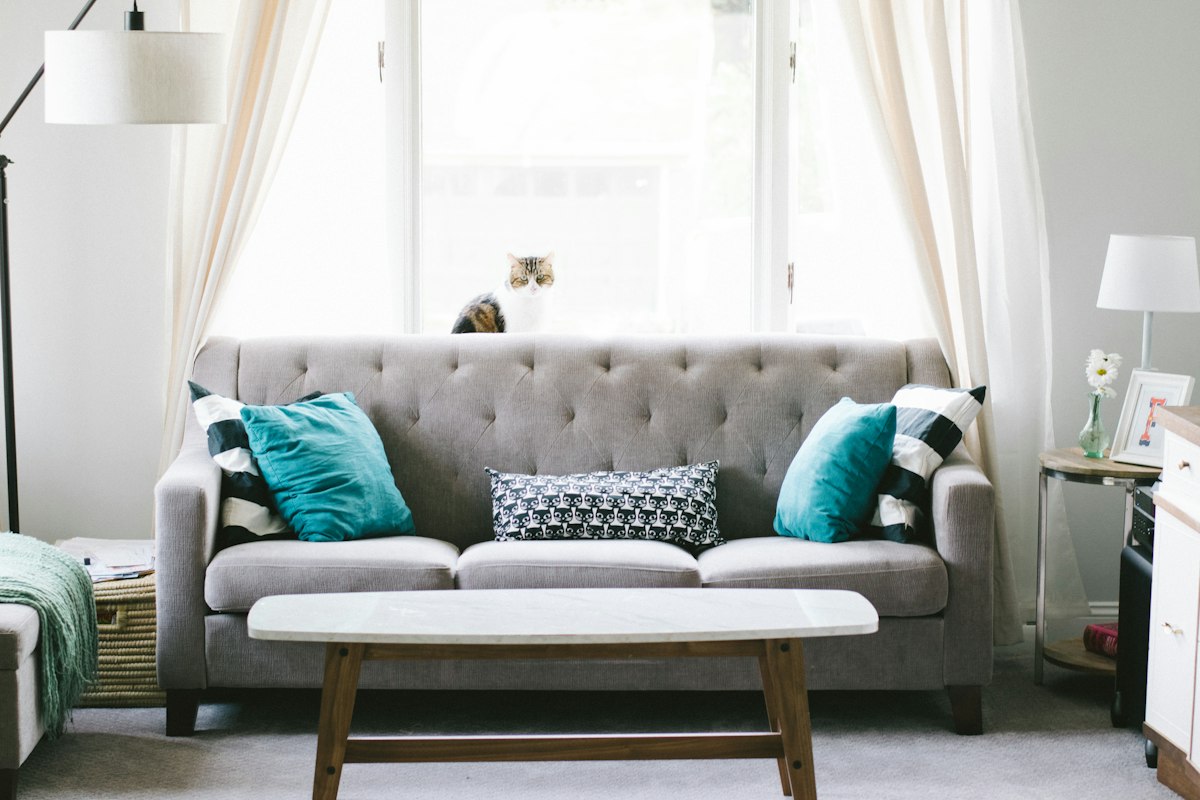

An at-home movement corner does not have to look like a commercial gym. For many homes, the useful goal is simpler: a place where you can put down a mat, follow the activity you have chosen and pack everything away without rearranging the entire room. The best setup depends on the space and equipment you actually use.
Imagine a living room with a coffee table, a sofa and a narrow route to the kitchen. A large rack of equipment might technically fit against the wall while making the room awkward for everyone else. Start with the usable floor area and the daily traffic, rather than a shopping list.
This is a guide to arranging a room and choosing household equipment. It is not an exercise programme or medical advice, and it does not promise fitness outcomes. Product criteria are editorial considerations, not results from hands-on tests. Read our affiliate disclosure before following commercial links.
Measure the activity space
Move the furniture you would normally move, then measure the clear area left. Consider the range of movement required by the activity you already intend to do. Check ceiling clearance, nearby shelves, light fittings and the route past the space.
A mat provides a visible boundary, but its outline is not the complete space you may need. Do not assume that a product photograph showing someone in a small corner proves that the same setup fits your home. Refer to equipment instructions and the requirements of the activity itself.
Look at the floor surface. A loose rug, trailing charger or shifting piece of furniture can interfere with the setup. Choose a location where the room can be prepared reliably, rather than balancing equipment around objects that never move.
Begin with what you use
If your chosen activity uses a mat and no other equipment, start there. Buying a full kit can make storage harder before you know which pieces earn their place. Keep a short list of what you reach for over several sessions.
For an activity that uses weights or other equipment, follow the relevant product instructions and choose items appropriate to your established requirements. This article does not specify resistance levels, repetitions or technique. Those decisions belong to a suitable programme or qualified guidance, rather than a home-design purchase list.
Avoid adding equipment merely because it coordinates with the room. A beautifully coloured item that never gets used still occupies space and requires storage.
Choose a mat by practical characteristics
Check the manufacturer's stated intended use, dimensions, material and cleaning instructions. Thickness alone is not a universal measure of quality. Consider whether the mat rolls easily, whether it fits its planned storage spot, and whether its care requirements suit the household.
Read return conditions carefully. Some products have restrictions after opening or use. If material sensitivities or strong odours concern you, review the manufacturer's information before ordering rather than relying on a product photograph.
A carrying strap may be useful when the mat moves between rooms, but it is less important if the mat lives in a nearby cupboard. Accessories are worthwhile when they solve an actual handling problem.
Give equipment a stable home
Store items so that they cannot roll into a walking route or fall when a door opens. Heavy equipment calls for storage designed and rated for the load; an ordinary decorative shelf should not be assumed suitable. Follow any fixing instructions and check the structure where an installation is proposed.
In a shared room, enclosed storage can reduce visual clutter, but easy access matters. If you need to unload a cupboard before reaching the mat, the setup may discourage use. A low basket can suit lightweight accessories, provided it does not become a trip obstacle.
Keep equipment away from children or pets where the product instructions call for restricted access. A soft fabric container is not automatically secure simply because it has a lid.
A buying order that protects the room
| First need | Consider buying | Verify | Tradeoff |
|---|---|---|---|
| Defined floor surface | Mat suited to the intended activity | Dimensions, care and floor compatibility | Requires drying and storage space |
| Portable small accessories | Carrying bag or small box | Full weight and opening size | Can hide forgotten items |
| Heavy equipment storage | Purpose-designed stand | Rated capacity and installation requirements | Permanent footprint |
| Screen visibility | Stable device stand | Device fit and placement outside the movement area | Another item to put away |
Compare current prices after you have measured the room. Include delivery, installation if relevant and return costs. A compact storage solution may be more valuable than another piece of equipment when the main difficulty is packing away.
Make setup and pack-away ordinary
Create a short sequence: clear the route, place the equipment, position any screen or instructions, then return items when finished. Keep cleaning materials appropriate to the equipment nearby without leaving them within inappropriate reach.
If furniture must move, choose one repeatable arrangement. Photographing that arrangement for your own reference can be simpler than trying to remember where everything went. Protect the original function of the room: the sofa and table should return to usable positions afterwards.
Leave enough time for equipment care. A mat put away damp may not meet its manufacturer's instructions. Read those instructions and choose a storage method that accommodates them.
Questions before adding more equipment
Do I need a dedicated room?
No. A shared area can work when there is appropriate clear space and a practical storage plan.
Should I install a wall rack?
Only after checking the intended load, fixing requirements and wall structure. Renting may also involve permission conditions. Freestanding storage can avoid some installation decisions, but still needs stable placement.
Is a larger setup more motivating?
That depends on the person. From a room-planning perspective, equipment that is easy to access and return has a clearer practical role than a large collection.
What if the corner keeps becoming cluttered?
Reduce what lives there to the items you actually use. Give unrelated objects another destination and keep the movement area available for its intended purpose.